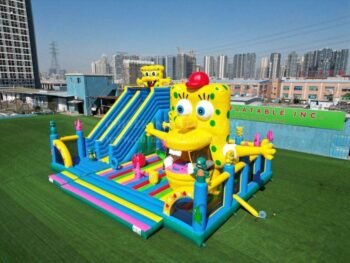


Capitalizing on the Outdoor Inflatable Entertainment Market
The global demand for family entertainment centers (FECs) has evolved, with a distinct shift toward active, high-energy play solutions. A Children’s outdoor inflatable playground project offers a compelling business case for investors and venue operators. Unlike heavy mechanical rides that require permanent infrastructure, inflatable parks offer modularity, lower initial capital expenditure, and rapid installation times.
For shopping malls, supermarkets, and large community centers, these installations act as significant anchor attractions. They drive foot traffic, increase dwell time, and provide a recurring revenue stream. However, success in this sector requires more than just purchasing equipment; it demands strategic site selection, rigorous safety protocols, and a focus on the customer experience.
Site Selection and Venue Requirements
Choosing the right location is the foundation of a profitable operation. While the equipment itself is flexible, the venue must meet specific technical and demographic criteria.
- Ceiling Height: Indoor inflatable castles and slides often exceed 5 meters. Venues must have sufficient vertical clearance to accommodate large attractions without feeling cramped.
- Floor Load & Surface: Although lighter than mechanical rides, the combined weight of the inflatables and guests requires a stable, clean, and non-abrasive floor surface.
- Traffic Flow: High-visibility areas in shopping malls or entertainment cities are ideal. The visual appeal of a massive, colorful inflatable park serves as its own marketing.
Designing for Retention: Equipment and Customization
To compete effectively, a playground must offer unique play experiences. Standard bounce houses are no longer sufficient for commercial-grade projects. Modern Children’s indoor inflatable playground project involve complex obstacle courses, giant slides, interactive games, and themed zones.
Opções de personalização
Working directly with a manufacturer allows for bespoke designs that fit your specific floor plan. Key customization elements include:
- Theming: Aligning the playground with popular themes (e.g., jungle, space, ocean) to create an immersive environment.
- Modularity: Designing segments that can be rotated or replaced to keep the attraction fresh for repeat visitors.
- Branding: Incorporating your facility’s logo and color palette directly into the PVC material.
Operational Excellence: Safety and Hygiene Protocols
In the family entertainment industry, safety is the primary currency of trust. A robust operational plan is essential for minimizing liability and ensuring parent confidence.
Health Screening and Entry
Implementing a health check at the entrance establishes a standard of care immediately. This includes temperature checks and hand sanitization stations. Visibly enforcing these protocols reassures parents that the hygiene conditions are strictly managed.
Safety Signage and Liability
Clear communication is vital. Venues should display prominent signage stating rules such as “Please pay attention to play safety” and outlining age/height restrictions. While liability waivers are standard, operational diligence (such as separating age groups to prevent collisions) is the best defense against accidents.
Enhancing the Parent Experience
A successful Children’s indoor inflatable playground project caters to parents as much as it does to children. If parents are comfortable, families stay longer.
- Rest Zones: Dedicate space for parents to relax with clear sightlines to the play area. Comfortable seating, charging stations, and free Wi-Fi turn a waiting period into leisure time.
- Supervised Services: Offering paid “drop-off” services can significantly boost revenue. By employing qualified staff (akin to kindergarten teachers) to supervise play, you allow parents to shop or dine within the mall, increasing the overall value to the venue landlord.
Technical Considerations for Buyers
When procuring equipment for a commercial project, material specifications determine the lifespan of your investment.
Material Quality
Commercial inflatables should be constructed from high-grade PVC tarpaulin (typically 0.55mm, 1000D). This material is tear-resistant, flame-retardant, and lead-free. Avoid residential-grade nylon, which cannot withstand constant commercial traffic.
Anchoring and Blowers
Indoor installations require specific anchoring systems usually involving sandbags or floor hooks, as ground stakes are not possible. Ensure that the air blowers provided are CE/UL certified and matched to the internal pressure requirements of the specific design.
FAQs: Starting Your Inflatable Project
Q: What is the typical lead time for a custom indoor inflatable park?
A: Production times vary based on size and complexity, but generally range from 15 to 30 days after design approval, plus shipping time.
Q: How do I maintain the equipment?
A: Daily cleaning with non-corrosive disinfectants is required. Regularly inspect stitching and anchor points. Professional repair kits should be on hand for minor patching.
Q: Can the layout be changed later?
A: Yes, if the park is designed with modular connections, individual sections can be rearranged or swapped out to refresh the layout.
Q: What is the ROI timeline?
A: Due to lower startup costs compared to hard playgrounds, many operators see a return on investment within 6 to 12 months, depending on location traffic and ticket pricing.
Next Steps
Investing in a Children’s indoor inflatable playground project is a strategic move in the growing experience economy. By focusing on high-quality custom equipment, rigorous safety standards, and parent-friendly amenities, you can build a profitable, long-term business.
Ready to design your venue? Contact our team today to discuss floor plans, themes, and manufacturing lead times.

 Portuguese
  English
  Spanish
  French
  Japanese
  Arabic
  Italian