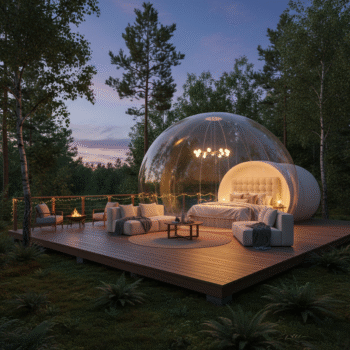


The experiential travel market is booming, with travelers increasingly seeking unique, Instagram-worthy accommodations over traditional hotels. For landowners and hospitality entrepreneurs, the inflatable bubble tent offers a high-return, relatively low-infrastructure entry point into the luxury glamping sector. Unlike permanent cabins, these structures are portable, visually striking, and offer guests an immersive connection with nature.
However, launching a successful bubble hotel requires more than just purchasing a tent. It involves strategic site planning, understanding material technicalities, and managing the unique operational requirements of air-supported structures. This guide covers the essential factors for setting up a durable and profitable bubble glamping site.
1. Site Selection and Ground Preparation
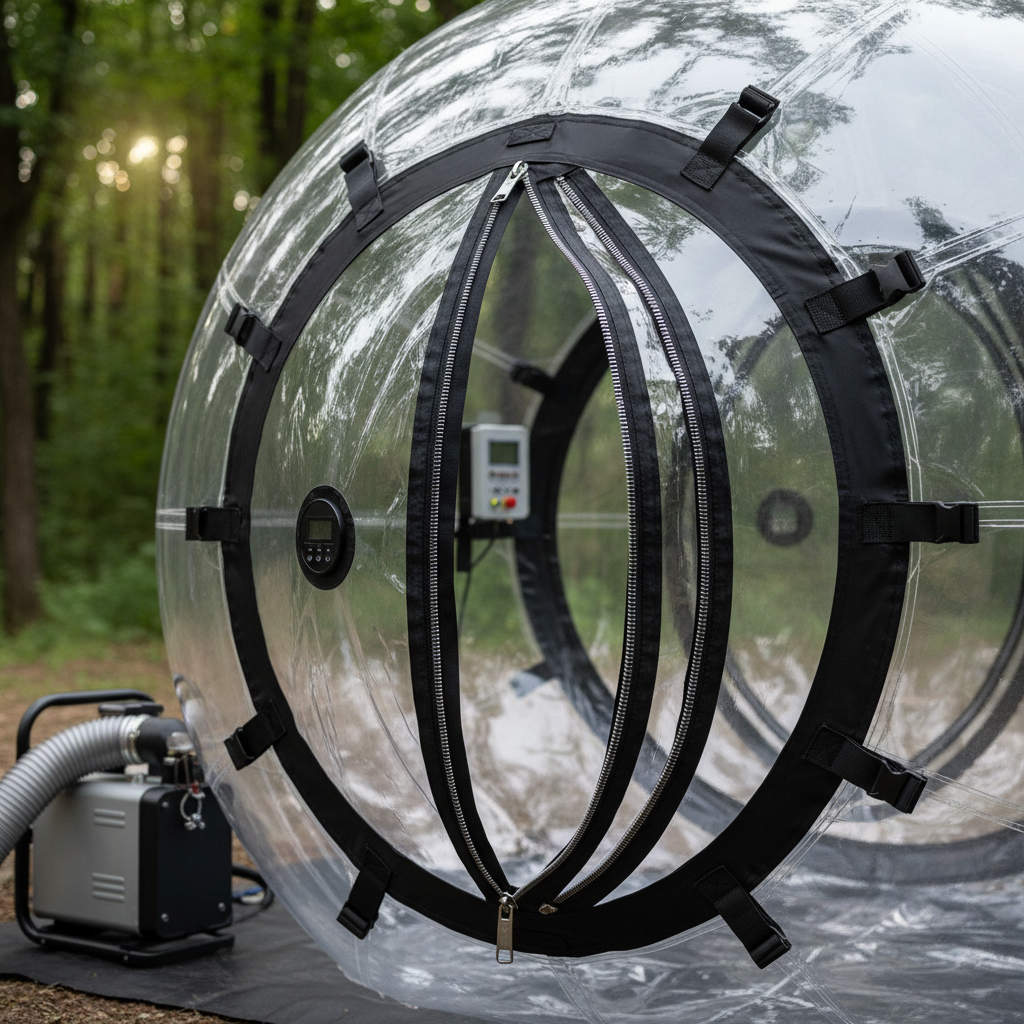
The longevity of a clear bubble tent and the comfort of your guests depend heavily on where and how the structure is installed. Unlike traditional tents, bubble houses rely on internal air pressure and specific anchoring systems.
The Importance of a Wooden Deck
While bubble tents can technically be placed on grass, professional glamping operators almost exclusively install them on raised wooden platforms (decks). This serves three purposes:
- insulation: It separates the floor of the bubble from the cold, damp ground, preventing condensation and improving thermal comfort.
- Protection: It protects the bottom material (usually PVC tarpaulin) from abrasion caused by rocks, roots, or uneven soil.
- Anchoring: A deck provides a solid substrate for screwing down D-ring anchors, which is far more secure than using stakes in soil, especially during wind gusts.
Wind and Sun Exposure
Bubble tents are aerodynamic, but they still have significant surface area. Sites should be chosen to minimize exposure to prevailing high winds. Natural windbreaks, such as tree lines or hills, are ideal. Additionally, consider the sun’s path. While clear roofs offer stargazing, they also create a greenhouse effect during the day. Placing tents where they receive morning sun but afternoon shade can significantly reduce cooling costs.
2. Balancing Transparency with Privacy
The primary selling point of a clear bubble tent is the 360-degree view, but this transparency creates a privacy challenge. Successful operators use a combination of structural design and landscaping to solve this.
Structural Solutions
When ordering from a manufacturer, you can customize the opacity of specific modules. A typical configuration includes:
- Main Sphere: Fully transparent or semi-transparent (transparent top, opaque bottom) to block views from the ground level while keeping the sky visible.
- Tunnel Entrance: Often opaque to serve as a changing area or airlock.
- Bathroom Module: An attached, fully opaque sphere or pod dedicated to sanitary facilities.
Landscaping Solutions
Position bubbles at least 20–30 meters apart. Use natural vegetation, fencing, or terrain elevation to block lines of sight between units. The goal is to give guests the feeling of isolation without compromising the open-air experience.
3. Material Specifications: PVC vs. TPU
Selecting the right material is a critical procurement decision. Inflatable bubble tents are generally manufactured from either PVC (Polyvinyl Chloride) or TPU (Thermoplastic Polyurethane). Understanding the difference is vital for long-term ROI.
| Feature | PVC (Standard) | TPU (Premium) |
|---|---|---|
| Clarity | Good, but may milky over time | Crystal clear, glass-like |
| Temperature Resistance | Brittle below 0°C; stiff in cold | Flexible down to -40°C |
| Eco-Friendliness | Contains plasticizers; has odor initially | Biodegradable, odorless, non-toxic |
| Durability | Moderate lifespan (2-3 years outdoors) | High abrasion resistance (4-5+ years) |
For high-end glamping sites, TPU is strongly recommended despite the higher upfront cost. It maintains clarity for stargazing and withstands environmental stress much better than standard PVC.
4. Inflation Systems and Noise Management
Most large bubble tents operate on a continuous inflation system. A blower constantly pushes air in to maintain the shape and circulate fresh air. This creates positive pressure, which keeps the structure standing.
The Noise Factor: Standard blowers can generate noise levels similar to a vacuum cleaner, which disrupts the peaceful glamping experience. To mitigate this:
- Silent Blowers: Request low-decibel blowers specifically designed for accommodation use.
- Distance & Housing: Place the blower unit inside a sound-dampening wooden box located 5–10 meters away from the tent, connecting it via a flexible air duct.
- Airlock Tunnels: Ensure the entrance tunnel has a sturdy frame or double-door system. This prevents the main bubble from collapsing when guests enter or exit.
5. Climate Control and Ventilation
A clear bubble acts like a greenhouse. Without proper management, internal temperatures can spike rapidly.
- Ventilation: Continuous blowers cycle air effectively (often changing the entire air volume 6–10 times per hour), reducing condensation and stuffiness.
- AC and Heating: For year-round operation, you must install portable air conditioning or heating units. Look for bubbles with pre-fabricated duct ports (sleeves) designed to accommodate HVAC hoses without compromising the air seal.
- Shading: Consider using removable sun shade sails over the top of the bubble during peak summer hours if natural shade is unavailable.
6. Buying Guide: Customization and Logistics
When sourcing bubble tents for a commercial operation, off-the-shelf consumer models are rarely sufficient. Work directly with a manufacturer to customize specs for durability and branding.
Key Customization Options
- Diameter: Standard sizes range from 3m to 6m. A 4m or 5m diameter is typical for a bedroom setup, while 6m allows for a small seating area.
- Room Configuration: Add extra tunnels or connected spheres for bathrooms and children’s rooms.
- Frame Reinforcement: Some models include a metal framework for the tunnel to ensure the entrance remains rigid even if power is lost temporarily.
MOQ e tempi di consegna
Commercial orders typically have a Minimum Order Quantity (MOQ) of 1 unit, making it easy to sample a product before committing to a full fleet. Production times for custom TPU bubbles generally range from 15 to 30 days, with shipping times varying by region. Plan your order 3–4 months before your intended launch date to allow for site prep and testing.
Frequently Asked Questions (FAQ)
Can bubble tents stay up year-round?
Yes, if made from high-quality TPU and properly anchored. However, in areas with heavy snowfall, they may need regular clearing to prevent weight accumulation on the dome.
What happens if the power goes out?
If using a continuous blower, the tent will slowly deflate. It is critical for commercial sites to have a backup generator or battery power station. The metal frame in the tunnel section usually keeps the exit route open even during deflation.
How do I clean the clear plastic?
Use specialized PVC/TPU cleaners or mild soap and water. Avoid abrasive brushes or harsh chemicals like bleach, which can cloud the material. Regular cleaning is essential to maintain the “invisible” look guests pay for.
Is there a bathroom inside?
Most commercial setups order a “bubble suite” configuration, which includes a main bedroom sphere connected to a smaller, opaque sphere designed specifically to house a portable or composting toilet and shower.
Launch Your Glamping Business
Inflatable bubble tents offer a unique competitive advantage in the outdoor hospitality market. By selecting the right materials and planning your site infrastructure carefully, you can create a magical, high-end experience that commands premium nightly rates.
Ready to design your site? Contact us today to discuss custom sizes, TPU material options, and bulk pricing for your glamping project.

 Italian
  English
  Spanish
  French
  Portuguese
  Japanese
  Arabic